
Many people want to improve their homes but worry about the cost. It is possible to enjoy home upgrades without overspending by planning carefully and prioritising smart choices. The key is to focus on affordable improvements that add value and style without breaking the bank.
Understanding where to invest and where to save allows homeowners to make impactful changes within their budget. Simple updates like repainting, swapping fixtures, or doing some work independently can make a big difference. Knowing these strategies helps anyone upgrade their home while keeping costs under control.
Essential Planning for Affordable Home Upgrades
Careful planning is crucial to make home upgrades affordable without sacrificing quality. Prioritising the right changes, setting a clear budget, and choosing the best time to act can improve both value and enjoyment.
Setting a Realistic Budget and Master Plan
A detailed budget helps control spending and prevents overspending on less valuable upgrades. Homeowners should research average costs for materials and labour in their area to set achievable limits.
It is wise to allocate funds for unexpected expenses, typically around 10-15% of the budget. Creating a master plan listing every upgrade phase keeps the process organised and efficient, reducing costly last-minute changes.
Budgeting should reflect the estimated return on investment (ROI) for each improvement. High-ROI projects like kitchen or bathroom renovations may justify more spending compared to purely aesthetic changes.
Identifying Priority Improvements
Prioritising upgrades based on necessity and impact ensures money goes to the most beneficial areas. Structural repairs and energy-efficient improvements should come before decorative updates to protect the home and reduce costs long term.
Homeowners should consider how each improvement affects daily life and resale value. For instance, enhancing insulation saves on utility bills and appeals to future buyers.
A simple checklist can help rank upgrades by cost, urgency, and ROI. This approach prevents impulse purchases and aligns spending with long-term financial goals.
Timing Upgrades for Maximum Impact
Timing home improvements around sales, off-seasons, or life events can lower costs significantly. For example, scheduling renovations in autumn or winter may reduce contractor fees and material expenses.
Planning around offers or supplier discounts allows homeowners to buy quality materials at reduced prices. Similarly, combining multiple upgrades in one project often saves money on labour.
Delays between stages can increase costs and reduce cohesion. A carefully timed schedule helps maximise ROI by completing projects efficiently and avoiding price inflation.
Cost-Effective Upgrades That Deliver Value
Smart home improvements balance initial costs with lasting benefits. Focusing on visual impact, energy savings, and material choices can upgrade a home without overspending.
Focus on Curb Appeal and First Impressions
Enhancing the exterior creates instant value and attracts positive attention. Simple actions like repainting the front door, adding fresh plants, or pressure washing the brickwork improve curb appeal at a low cost.
Replacing or updating exterior light fixtures with energy-efficient options like LED bulbs combines style with savings. Installing new house numbers or a stylish mailbox also offers affordable cosmetic upgrades.
Maintenance, such as fixing gutters or repairing driveways, prevents costly repairs later. These visible improvements set a strong first impression without large investments.
Energy-Efficient Solutions for Long-Term Savings
Investing in energy efficiency reduces bills and adds value. Upgrading to triple-glazed windows improves insulation and lowers heating costs significantly.
Smart thermostats can optimise home heating schedules automatically, cutting energy waste while maintaining comfort. Pairing them with smart lighting, such as programmable LED bulbs, further trims electricity usage.
Switching to LED bulbs throughout the home offers immediate savings and reduces replacement frequency. These upgrades typically recoup their cost through lower energy bills within a few years.
Affordable Materials and Finishes for Stylish Results
Choosing budget-friendly materials can dramatically improve interiors. Laminate flooring is a popular alternative to hardwood; it’s durable, easy to install, and visually appealing.
Focusing on neutral but contemporary finishes allows flexibility in décor and appeals to a broad audience. For example, vinyl backsplashes or quartz-look laminates mimic premium materials without the high price.
Prioritising upgrades with both aesthetics and durability ensures stylish results that last. This approach avoids frequent replacements and keeps overall costs manageable.
Smart Renovation Strategies on a Budget
Maximising value in home upgrades requires practical choices in materials, storage, and investment focus. Careful planning around existing elements, space efficiency, and market trends helps maintain quality without overspending.
Repurposing Existing Materials and Features
Reusing materials from current fixtures or fittings cuts costs while preserving character. For example, sanding and repainting wooden floors or cabinets can refresh spaces without replacing them.
Structural elements like bricks, beams, or tiles might also be repurposed in new designs. This reduces waste and the need for new purchases.
Repurposing requires assessing material condition to ensure safety and durability. Proper cleaning and repairs may be necessary, but these are generally cheaper than buying new.
Incorporating Built-In Storage Solutions
Built-in storage optimises space and often adds to home value. Units fitted into underused areas, such as beneath stairs or within alcoves, make rooms feel larger and less cluttered.
Custom storage can be tailored to specific needs, controlling costs by using cost-effective materials like MDF or laminate. It also reduces the necessity for standalone furniture, saving money overall.
Investing in built-in storage frequently offers a good return on investment, as buyers appreciate functional, well-organised interiors that maximise living space.
Selecting Upgrades with the Best Return
Not all renovations hold equal value. Kitchens and bathrooms typically yield the highest return on investment when upgraded.
Choosing mid-range appliances or fixtures with modern features often balances cost and appeal. Energy-efficient options can also attract buyers and reduce utility bills.
Cosmetic improvements like fresh paint, new lighting, or updated hardware on doors and cabinets improve appearance affordably. Prioritising upgrades that enhance both function and aesthetics is key to budget-conscious renovation.
Making the Most of DIY and Professional Help
Balancing DIY efforts with professional assistance can significantly reduce costs while maintaining quality. Knowing which jobs to tackle personally and when to call an expert prevents costly mistakes and ensures safety.
Identifying Safe DIY Projects
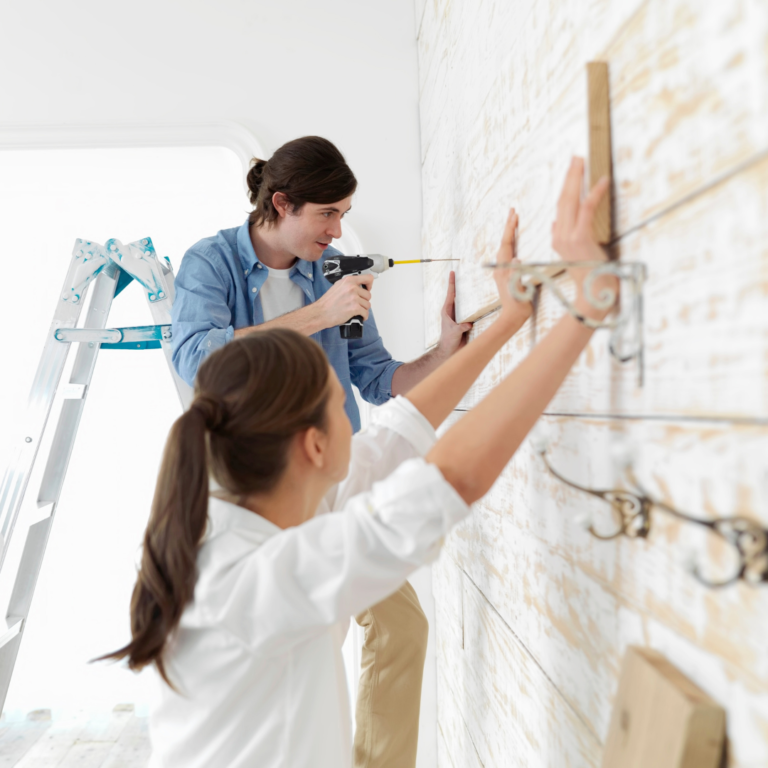
Simple tasks with clear instructions are ideal for DIY. Examples include painting walls, installing shelves, or replacing light fixtures. These projects require minimal specialised tools and pose low risk.
Homeowners should avoid projects involving plumbing, electrical rewiring, or structural changes unless they have confirmed skills. Using step-by-step guides and watching tutorial videos increases success chances for safe tasks.
Preparation is key: gathering materials and reading instructions fully prevents errors. Small jobs done well by the homeowner save on labour costs and improve satisfaction with upgrades.
When to Hire a Professional
Complex or high-risk jobs demand professional skills. Electrical work, gas fitting, or major plumbing repairs require certified tradespeople to meet safety standards.
Professional help is recommended for structural alterations like removing walls or adding extensions. Incorrect work here can lead to safety hazards and costly repairs.
Hiring a pro guarantees compliance with building regulations. It also typically includes warranties or guarantees on the work, offering peace of mind. Getting multiple quotes helps to find reasonable pricing without compromising quality.