
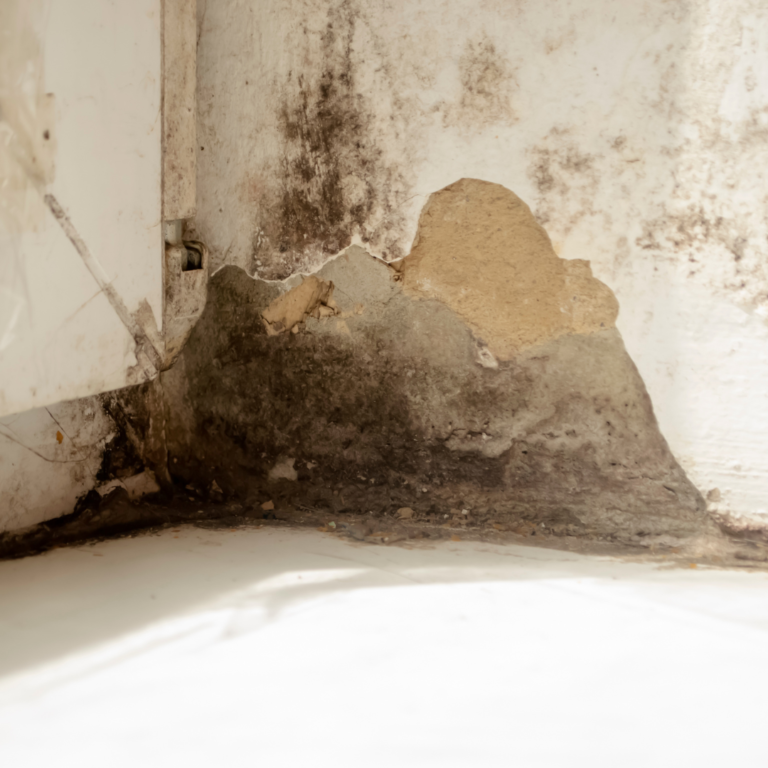
Mold can be a serious issue in any home, but there’s a lot of misinformation floating around about how to handle it. If you’ve ever dealt with mold, or suspect you might need to, it’s easy to get caught up in advice that may not always be accurate. Whether it’s your neighbor’s well-meaning tip or something you found online, not all of it can be trusted. Let’s break down some of the most common myths about mold remediation and reveal what you really need to know.
Myth #1: Mold Can Be Completely Eliminated From Your Home
Here’s the hard truth: mold is everywhere. Mold spores are a natural part of our environment, indoors and out. The idea that you can completely rid your home of all mold is not only unrealistic, but it’s also impossible. Mold spores are microscopic, floating through the air and settling in places that might not even be visible to the naked eye.
That said, while it’s impossible to eliminate all mold, you can certainly control it and prevent harmful mold growth. With proper moisture control and ventilation, you can keep it in check.
Myth #2: Bleach Is a Good Solution for Mold Removal
If you’ve ever searched online for ways to remove mold, you’ve probably come across the advice to use bleach. It’s one of the most common misconceptions when it comes to mold remediation. Bleach does kill surface mold, but it’s not a long-term solution. Mold often grows on porous materials like wood, drywall, and carpets, where bleach can’t penetrate deep enough to kill the roots of the mold.
In fact, using bleach can sometimes make things worse by providing moisture for the mold to thrive in the long run. Instead, professional-grade cleaning products and proper removal methods are the way to go for a more lasting solution.
Myth #3: Small Areas of Mold Are Harmless
You might think that a small patch of mold in your bathroom or basement isn’t a big deal, but mold—no matter the size—can cause health problems and damage to your property. Even if it’s just a small area, mold releases spores into the air, which can exacerbate allergies, asthma, and other respiratory issues.
It’s also important to note that mold can grow rapidly in the right conditions. So what starts as a tiny patch can quickly spread if not dealt with properly by professional water damage and mold remediation experts such as Restoration 1. Always take mold growth seriously, no matter how small it appears.
Myth #4: Mold Is Only Caused by Water Damage
Water damage can definitely lead to mold, but it’s not the only culprit. Mold can grow wherever there’s excess moisture—think of your bathroom, kitchen, or even the basement. High humidity levels, poor ventilation, and condensation can all create the perfect environment for mold to thrive, even without a major water leak. So, if you live in a humid climate or have rooms in your home that tend to get damp, mold prevention should still be on your radar, even if you haven’t experienced water damage.
Beyond internal humidity control, the integrity of your home’s exterior, particularly the roof, plays a critical role in preventing moisture-related issues. A well-maintained roof, along with properly functioning soffit, fascia, and eavestroughs, acts as your primary defense against water intrusion and ensures adequate attic ventilation.
Regular inspections can identify potential vulnerabilities like damaged shingles or blocked vents that could otherwise lead to condensation and mold growth in unseen areas. If you are looking to safeguard your property, ensuring the longevity and performance of your roofing system is a proactive step in overall home health. A winnipeg roofing expert, or elsewhere, can help assess and address these crucial exterior elements, preventing costly internal damage before it starts.
When a major leak or flood happens, the risk of mold becomes much higher. Standing water soaks into floors and walls within hours. This creates a breeding ground for spores. Homeowners who face these emergencies often need professional help to dry out their property before permanent damage sets in.
Reliable Water Damage Restoration Staten Island services, for instance, can help remove excess moisture and sanitize affected areas. This fast response is the best way to stop mold from spreading through the rest of the building.
Myth #5: DIY Mold Removal Is Just as Effective as Hiring a Pro
Let’s be honest: there are some things you can DIY, but mold remediation might not be one of them. Sure, there are plenty of home remedies out there, but mold can be more complicated than it seems.
Professional mold remediation services don’t just focus on cleaning up the visible mold; they find the source of the moisture, remove contaminated materials, and ensure that the mold doesn’t come back. Attempting to handle it yourself may save a bit of money upfront, but you risk overlooking the root cause, leading to more mold issues down the road. When it comes to mold, hiring a pro can often save you from bigger (and more expensive) problems later on.
Understanding the Facts About Mold
Now that we’ve busted some of the biggest myths, let’s talk about what you should do if you suspect mold in your home. First, it’s all about moisture control. Mold needs moisture to grow, so the best way to prevent it from taking hold is to keep your home dry. Simple steps like using a dehumidifier in damp areas, fixing leaks promptly, and ensuring good ventilation can make a huge difference.
Even with these precautions, mold isn’t always visible. It can hide behind walls, under flooring, or in other concealed areas, making early detection crucial. Professionals can help in uncovering mold problems, assessing the extent of the growth, and recommending safe and effective removal strategies. Acting quickly not only protects your health but also prevents costly damage to your property.
If you do find mold, it’s important not to ignore it. Even small patches can be harmful and can worsen over time, making removal more difficult and expensive. Knowing when to call a professional is key. Mold remediation experts can accurately assess the situation, identify the source, and ensure the mold is removed safely and effectively. Prompt action is the best way to safeguard both your home and your health.
Prevention Is Key
The best way to deal with mold? Prevent it from happening in the first place. Here are some tips to help you keep mold at bay:
- Control humidity – Keep indoor humidity levels below 60%. If you live in a particularly humid area, use a dehumidifier.
- Ventilate your home – Proper ventilation, especially in areas prone to moisture (like the bathroom or kitchen), is essential. Use fans, open windows, and ensure appliances like dryers and stoves vent to the outside.
- Fix leaks immediately – Even small leaks can create the perfect environment for mold growth, so make sure to address any plumbing issues as soon as they arise.
- Use mold-resistant products – If you’re renovating or building, consider using mold-resistant drywall or paint, particularly in areas that are prone to moisture.
- Clean and dry damp areas promptly – Whether it’s a spill, a leak, or just excess moisture after a shower, always dry the area as quickly as possible to prevent mold from growing.
In Conclusion
Mold is one of those issues that can easily be misunderstood. With the right knowledge, you can take control of the situation and keep your home safe. While some myths can steer you in the wrong direction, the truth is that controlling moisture and knowing when to call in a professional are key to managing mold. Don’t let misinformation cloud your judgment—take the necessary steps to protect your home and health.